Japan is a year-round destination, but the season you choose shapes the whole trip — the scenery, the crowds, the weather, and, if you are fasting, the length of your day. Here is how to choose, with Muslim travellers in mind.
Spring (late March–April): cherry blossom season
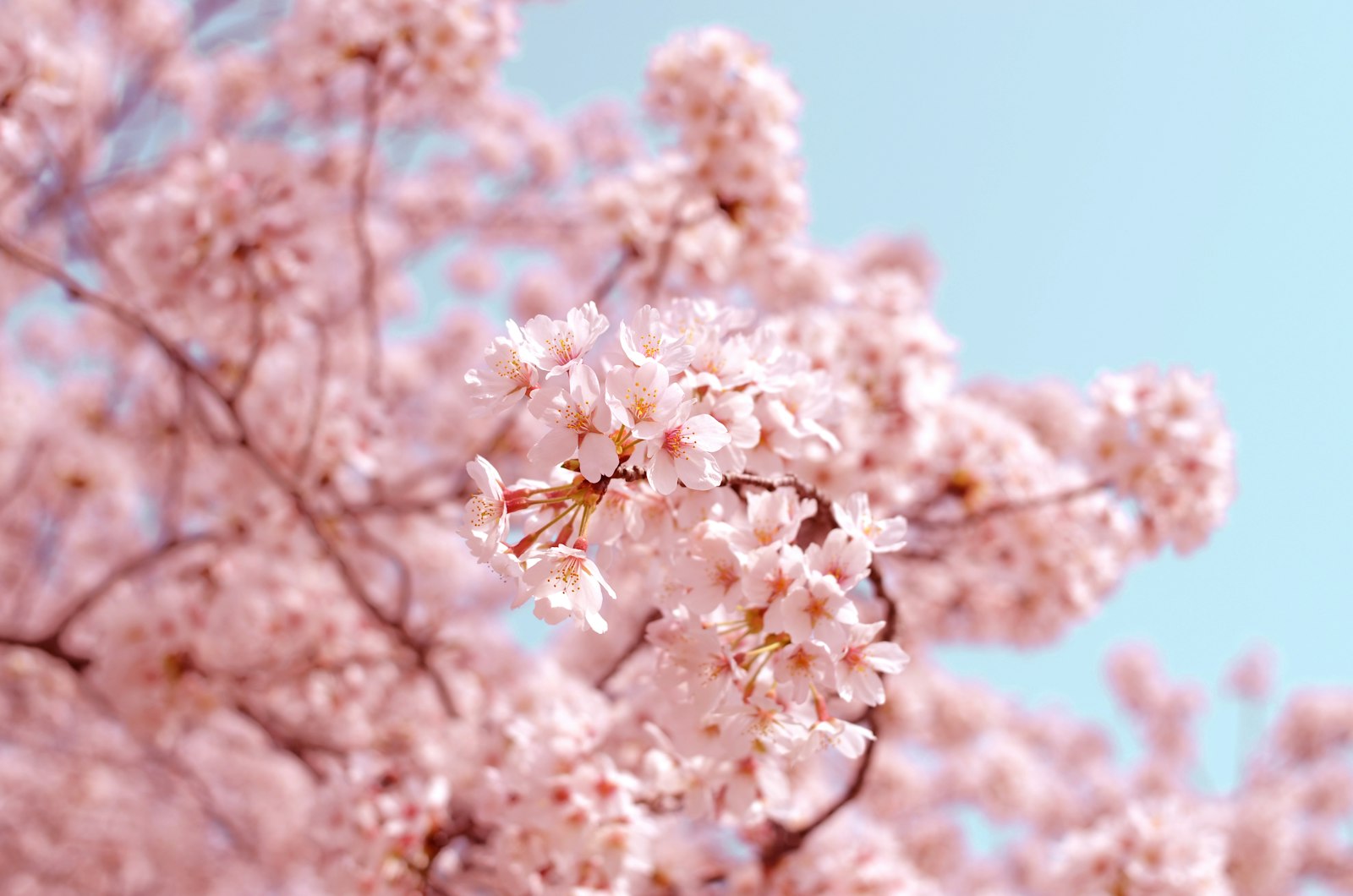
Japan at its most famous. Cherry blossoms sweep across the country from late March, and cities like Tokyo, Kyoto and Nara turn pink for a brief, spectacular window. The weather is mild and ideal for walking. The trade-off is demand — blossom-season dates are the busiest and most expensive, and exact bloom timing varies, so book early and stay flexible.
Autumn (October–November): colour without the crowds
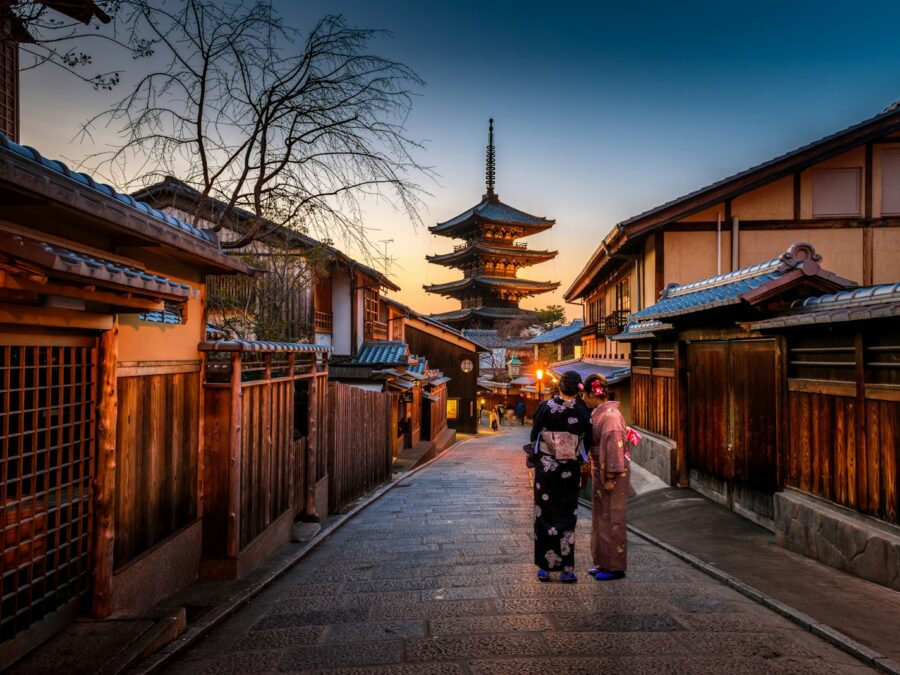
The connoisseur’s season — fiery red and gold foliage, especially around Kyoto’s temples, with comfortable temperatures and lighter crowds than spring. For many travellers it is the best balance of beauty, weather and value.
Summer & winter
Summer is hot and humid in the cities, with a rainy spell in June, but brings lush landscapes, festivals and the clearest Mount Fuji views; Hokkaido stays cooler. Winter offers snow landscapes, hot springs (ask us about private-bath options for modesty), and the lowest crowds.
Travelling during Ramadan
Ramadan in 2026 falls roughly mid-February to mid-March — one of the better windows for fasting travellers. The fasting day is moderate and daytime temperatures are cool and comfortable (around 10–15°C). Japan’s reliability is a quiet gift during Ramadan: trains run exactly on time, so you can plan iftar to the minute. Tokyo Camii and other mosques often host community iftar gatherings. Verify local prayer and fasting times on arrival with a mosque calendar or an app such as Muslim Pro.
Want this trip planned for you?
Our specialists turn this guide into a ready-to-book, prayer-aware itinerary.
See the tour packages →